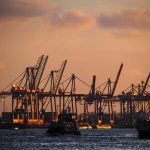
Ports play a critical role in industrial supply chains, serving as key hubs that connect production sites with domestic and international markets. Efficient and well-managed port services are essential to ensure smooth material flow, operational safety, and supply chain reliability. As industrial activities continue to expand, the demand for optimized port operations becomes increasingly important.
The Role of Ports in Industrial Operations
In industrial supply chains, ports function as central coordination points for loading, unloading, storage, and material handling activities. Any inefficiency at the port level can result in delays, increased operational costs, and supply chain disruptions. Effective port services help maintain operational continuity by ensuring that materials move efficiently between land and sea transportation systems.
Well-organized port operations also support better scheduling, reduce vessel turnaround times, and enhance coordination among multiple stakeholders involved in industrial logistics.
Improving Efficiency Through Operational Excellence
Efficiency in port services is achieved through structured operational processes, skilled personnel, and well-maintained facilities. Clear workflows, proper equipment utilization, and effective traffic management contribute to smoother port operations and reduced congestion.
By continuously improving operational standards and adopting disciplined execution practices, port service providers can support faster handling times and more predictable logistics outcomes for industrial clients.
Safety as a Core Priority in Port Operations
Port environments involve heavy equipment, high traffic, and complex activities that require strict safety management. Ensuring safe operations protects personnel, equipment, and cargo while minimizing operational risks. Safety-focused port services implement clear procedures, regular inspections, and compliance with applicable regulations.
A strong safety culture not only reduces incidents but also supports overall operational efficiency by minimizing disruptions caused by accidents or equipment failures.
Integrated Port Services and Supply Chain Reliability
Integrated port services contribute significantly to supply chain reliability. When port operations are aligned with upstream and downstream logistics activities, material flow becomes more consistent and predictable. This integration enables better coordination with hauling, storage, and distribution processes.
Reliable port services also support industrial operators in meeting delivery schedules and maintaining stable production levels, especially in time-sensitive supply chains.
Supporting Sustainable Industrial Logistics
Sustainable industrial supply chains require responsible operational practices, including efficient resource utilization and environmental awareness. Modern port services increasingly focus on minimizing waste, optimizing energy use, and supporting environmentally responsible operations.
By adopting sustainable practices, port service providers contribute to long-term industrial development while balancing operational efficiency and environmental responsibility.
Conclusion
Enhancing port services is essential to improving efficiency and safety in industrial supply chains. Through structured operations, strong safety management, and integrated logistics support, effective port services help ensure reliable material flow and operational continuity. As industrial supply chains grow more complex, well-managed port operations will remain a key driver of efficiency and sustainable performance.